Majority of Canada’s Drivers Prioritize Safety Amid Harsher Winters Despite Rising Cost of Living: Survey
Three quarters say extreme weather patterns make winter tires more important than…
Continue Reading
Nov 6
Fall is here and as the weather begins to change, so too must our driving habits and the equipment we keep on and inside our vehicles.
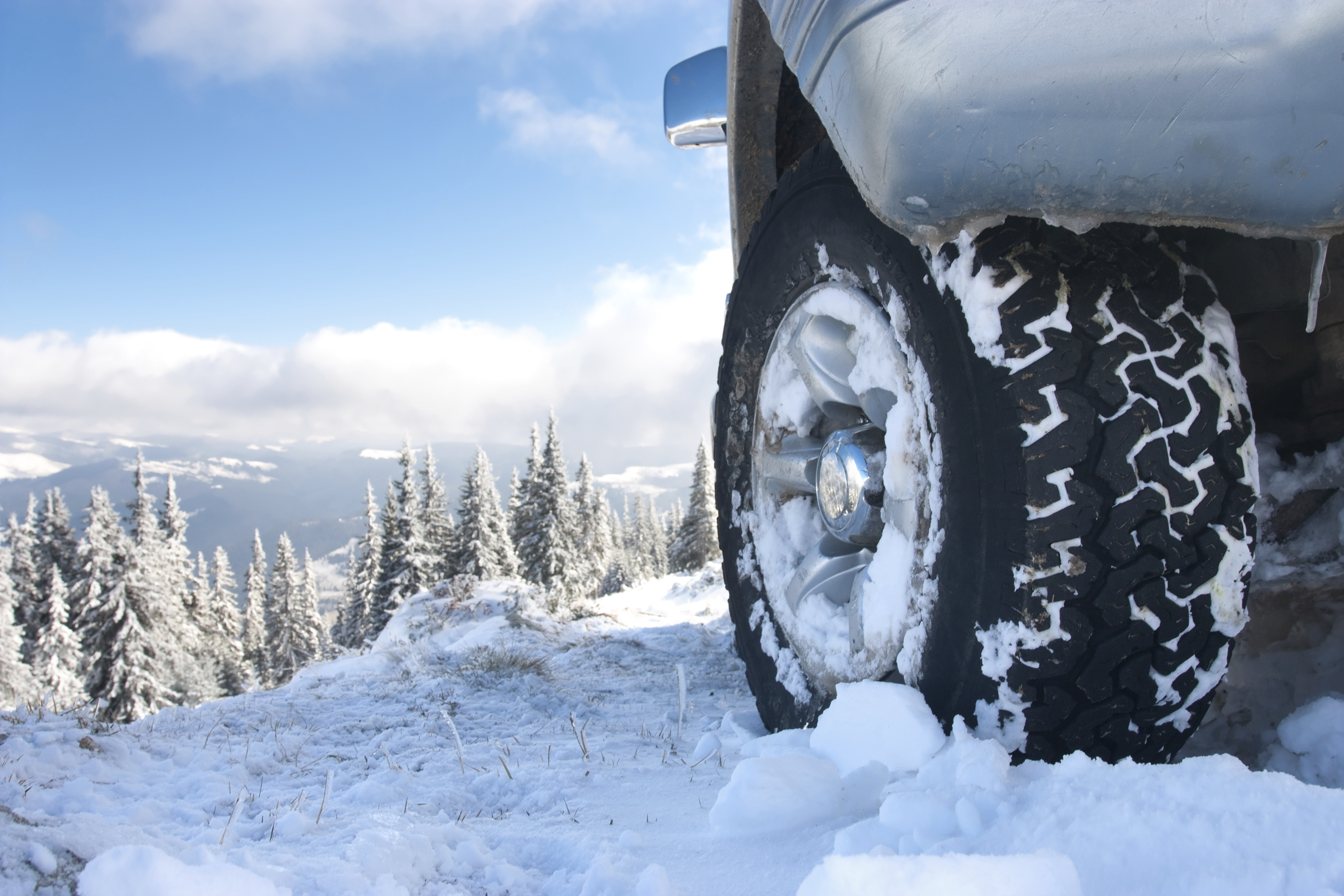
As of October 1st, drivers in the Robson Valley, and in many areas of B.C., are legally required to have their vehicles equipped with dedicated winter tires or all-season tires with a mud and snow rating.
Road Safety at Work spokesperson Trace Acres told The Goat that while all-season tires will do during the winter months, they don’t perform in lower temperatures as well as winter tires.
“Where we start to see the difference is when temperatures drop below about 7°C. What happens then is that the all-season tires will start to stiffen up. So the colder it gets, the rubber compound will start to stiffen up and give you less traction in colder temperatures,” Acres said, adding that, even if there isn’t snow on the ground, winter tires still offer better performance than all-season tires…
Source: Rocky Mountain Goat
Tire and Rubber Association of Canada
5409 Eglinton Ave W, Suite 208
Etobicoke, ON M9C 5K6
Tel: (437) 880-8420
Email: [email protected]